


NEWYou can now listen to Fox News articles!
Months after archaeologists were abuzz about the possible discovery of the legendary Fourth Musketeer’s remains, local officials have reported a major setback.
The remains, which may belong to Charles de Batz de Castelmore d’Artagnan, were found near the altar of St. Peter and Paul Church in Maastricht, Netherlands, in February.
D’Artagnan is the legendary French musketeer who inspired Alexandre Dumas’ “The Three Musketeers.” He died during a siege near Maastricht on June 25, 1673.
ARCHAEOLOGISTS PINPOINT SITE OF DOOMED ‘SPANISH ROANOKE’ COLONY AFTER UNEARTHING SINGLE CLUE
Contemporary documents say d’Artagnan was buried on consecrated ground nearby, making the altar discovery especially promising.
But on July 2, the Municipality of Maastricht announced a significant setback in the investigation — and pointed to improper archaeological work done before the official excavation on March 13.
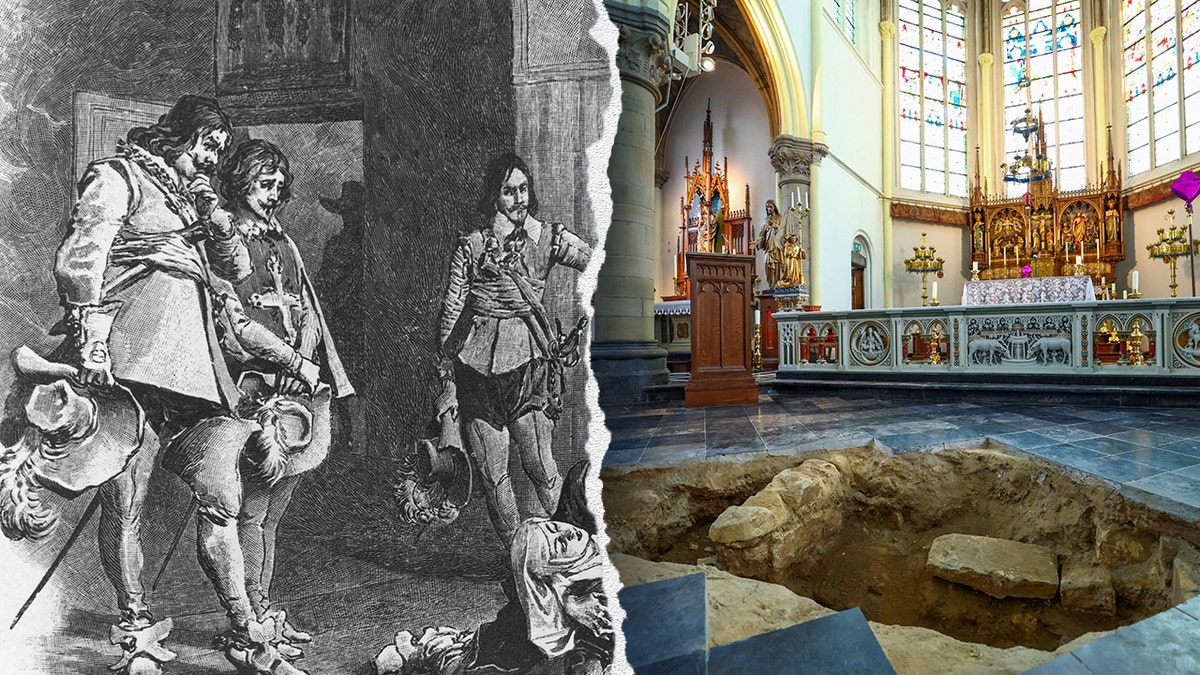
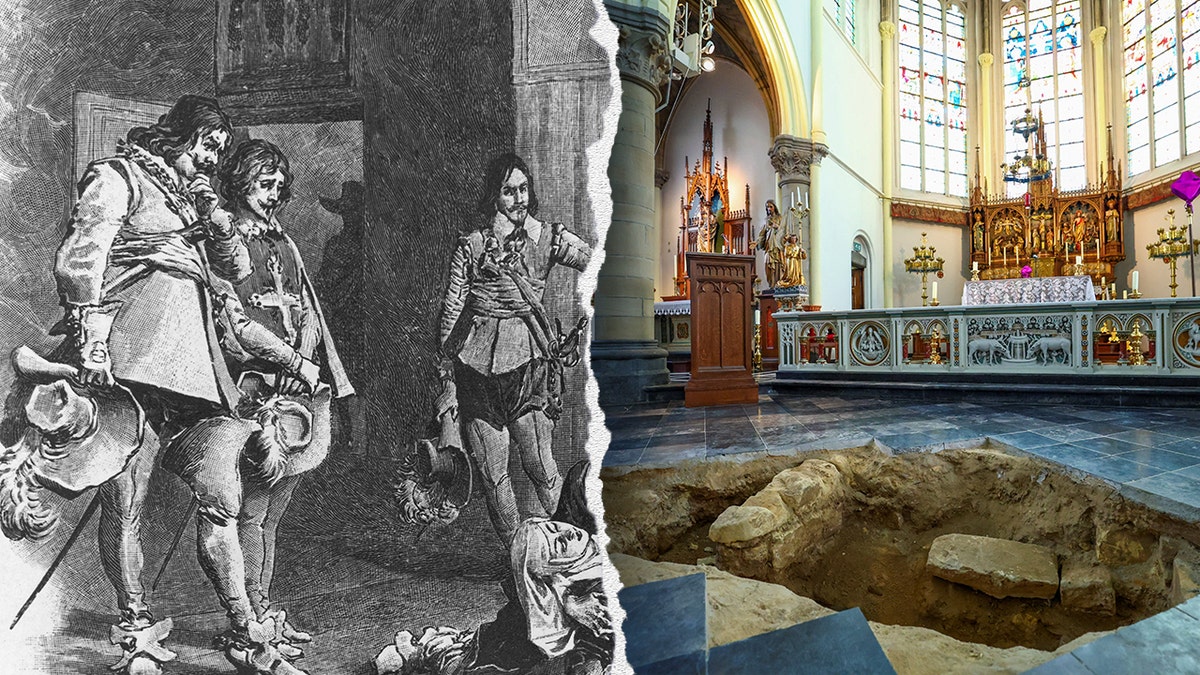
The remains were discovered after the church floor collapsed, opening a hole that led archaeologists to a burial possibly tied to d’Artagnan. (De Agostini via Getty Images; Reuters/Piroschka van de Wouw)
“The excavation work carried out before March 13 was not documented according to standard archaeological procedures,” the municipality said in a news release.
“As a result, a significant amount of archaeological information has been irreversibly lost.”
ARCHAEOLOGISTS UNEARTH ANCIENT TREASURE CACHE AT BIBLICAL CITY CONNECTED TO GENESIS
When archaeologists began the official excavation, only about 50% of the skeleton remained in its original position, and roughly a third of the skeleton’s skull was missing.
“The situation is highly complex because, during the initial excavation work, various bones were collected without documentation.”
“The situation is highly complex because, during the initial excavation work, various bones were collected without documentation,” the release noted.
The retired archaeologist who led the initial excavation work before the official March 13 dig, Wim Dijkman, was arrested in May after refusing to surrender the bones to authorities, according to the NL Times.
CLICK HERE FOR MORE LIFESTYLE NEWS
In March, Dijkman told Reuters that the archaeological work became “a top-level investigation.”

D’Artagnan is the legendary French musketeer who inspired Alexandre Dumas’ “The Three Musketeers.” (Photo12/UIG/Getty Images)
“We want to be absolutely certain — or as certain as possible — whether it is the famous musketeer who was killed here near Maastricht,” he said.
At this stage, officials said it was unclear whether the skeleton belonged to d’Artagnan or not.
CLICK HERE TO SIGN UP FOR OUR LIFESTYLE NEWSLETTER
Isotope analysis found that 27% to 30% of the man’s diet consisted of fish, a finding researchers said is inconsistent with what is known about d’Artagnan’s lifestyle and likely diet.
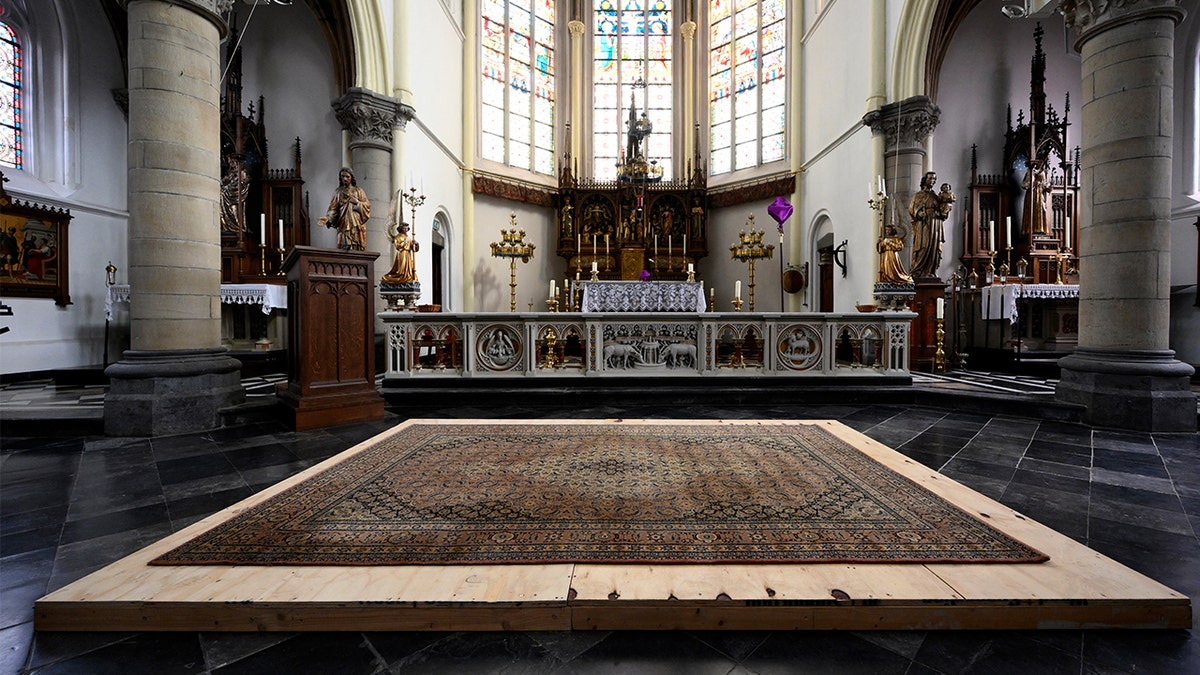
“We want to be absolutely certain — or as certain as possible — whether it is the famous musketeer who was killed here near Maastricht,” said the retired archaeologist who led the initial excavation work. (John Thys/AFP via Getty Images)
“Although sea fish was sold at markets in Paris and Lille in the 17th century, and salted fish was also eaten inland, it remains unclear whether musketeers would have been served this kind of food frequently,” the release said.
“This raises the question of whether such a diet was common among Catholic musketeers from France in the 17th century.”
TEST YOURSELF WITH OUR LATEST LIFESTYLE QUIZ
Officials also stressed the research does not rule out the possibility that the skeleton belonged to d’Artagnan.
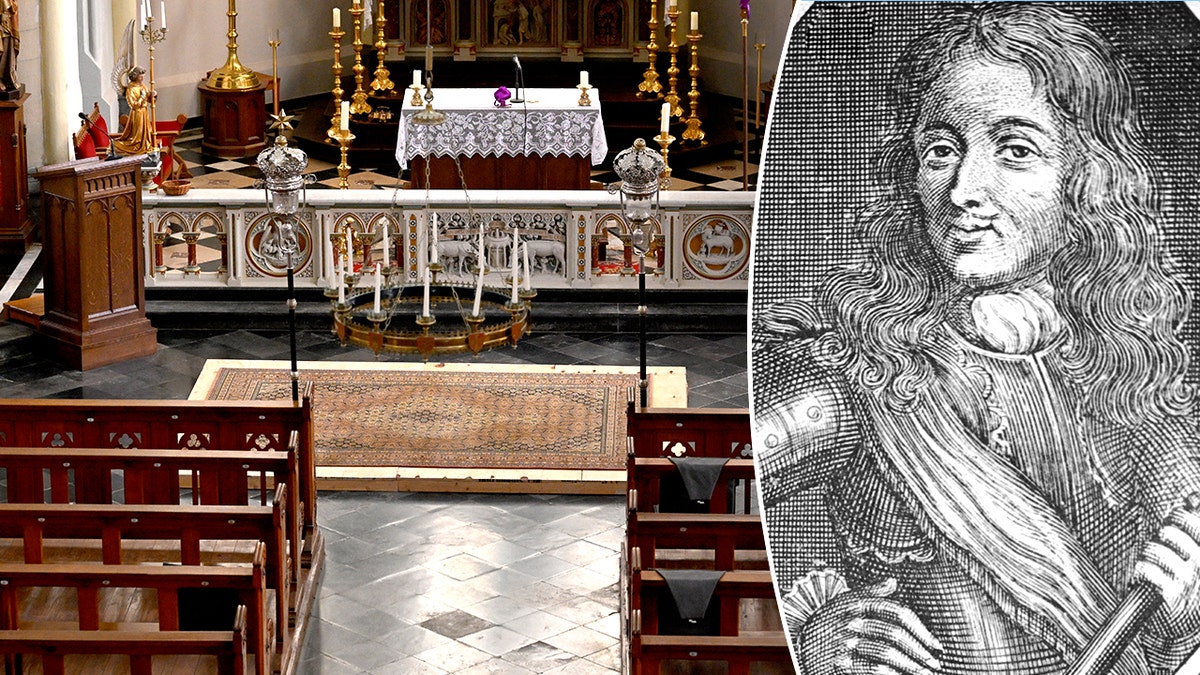
Archaeologists in the Netherlands are investigating whether newly discovered remains could belong to d’Artagnan, the famed musketeer linked to Alexandre Dumas’ novel. (John Thys/AFP via Getty Images; Hulton Archive/Getty Images)
“Based on the current data, this makes identification as d’Artagnan less likely, although it cannot be ruled out,” the statement added.
CLICK HERE TO DOWNLOAD THE FOX NEWS APP
Fox News Digital previously reached out to Dijkman for comment.