


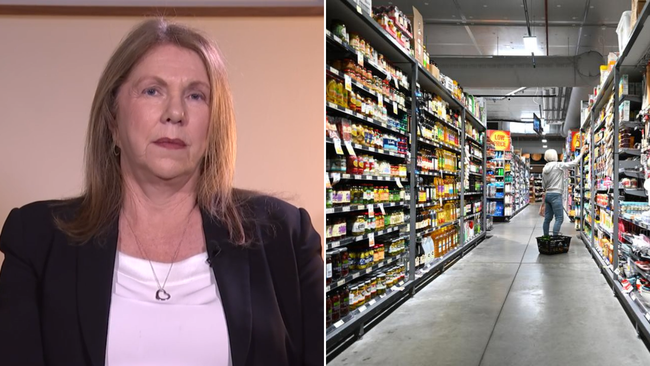
Fears are mounting over Australia’s food supply with warnings supermarket shelves could run bare as the global oil crisis threatens to cripple the nation’s trucking network.
Industry concerns that up to 70 per cent of truck drivers could be forced out of business within six months have raised alarm about how food will be transported from farms to cities, triggering a fresh wave of panic buying across the country.
WATCH THE VIDEO ABOVE: Fuel crisis threatens Australia’s food supply chain
Know the news with the 7NEWS app: Download today
The 70 per cent figure comes from the National Roads Truck Association, who recently warned its drivers were spending almost half of their money on petrol.
“Recent NatRoad member feedback shows more than 70 per cent of operators expect they can only sustain their business for six months or less if current conditions persist,” NatRoad CEO Warren Clark said.
“Diesel costs have surged dramatically, with more than two-thirds of operators now reporting fuel accounts for over 40 per cent of their total business costs.
“These businesses are still dealing with high fuel bills and tight margins. Access to interest-free finance can provide immediate relief and help operators stay on the road.”
Australians have already begun stockpiling pantry staples, with canned goods such as baked beans and tomatoes flying off shelves.
Transport Minister Catherine King has urged the public to remain calm, warning panic buying could worsen shortages.
“The first thing I would say to people is not to stockpile food,” King told Sunrise on Monday.
“We have secured fuel supplies at the moment, and there’s no need to go out and do that. We saw through COVID what that led to, shortages of toilet paper and a range of things that really put pressure on people.”

While the government insists fuel supplies are stable for now, it has stopped short of guaranteeing long-term security, as the conflict in the Middle East continues to choke global oil flows through the Strait of Hormuz.
King warned supply pressures would intensify the longer the disruption continues.
“We’re not expecting that there won’t be any fuel… but we do know there is a long tail coming because the longer the Strait of Hormuz is closed, the tighter that supply becomes,” she said.
Prime Minister Anthony Albanese is currently in Brunei negotiating fuel supply agreements.
Energy Minister Chris Bowen confirmed 57 fuel shipments totalling 4.1 billion litres are guaranteed to arrive in Australia, providing a short-term buffer.
“We’ll continue to work and do everything we can to shore up the fuel supply,” King said.
Despite those assurances, the risk to freight networks remains a key concern, with rising fuel costs threatening the viability of trucking operators who underpin Australia’s food distribution system.
At the same time, a global fertiliser shortage is adding further strain to agricultural production, with ministers working to secure supply and accelerate domestic manufacturing plans.
The government has moved to ease pressure on the sector by lowering the heavy vehicle road user charge and allowing companies to pass fuel cost increases through contracts.
National Cabinet has activated a level two fuel security response, aimed at keeping critical supply chains moving as uncertainty deepens.
Australia also maintains minimum stockholding obligations as a reserve, but with fuel contracts typically only locked in until May, questions remain about how long supplies can be sustained if the crisis drags on.